How Tipping Works in Korea (Spoiler: It Doesn't)
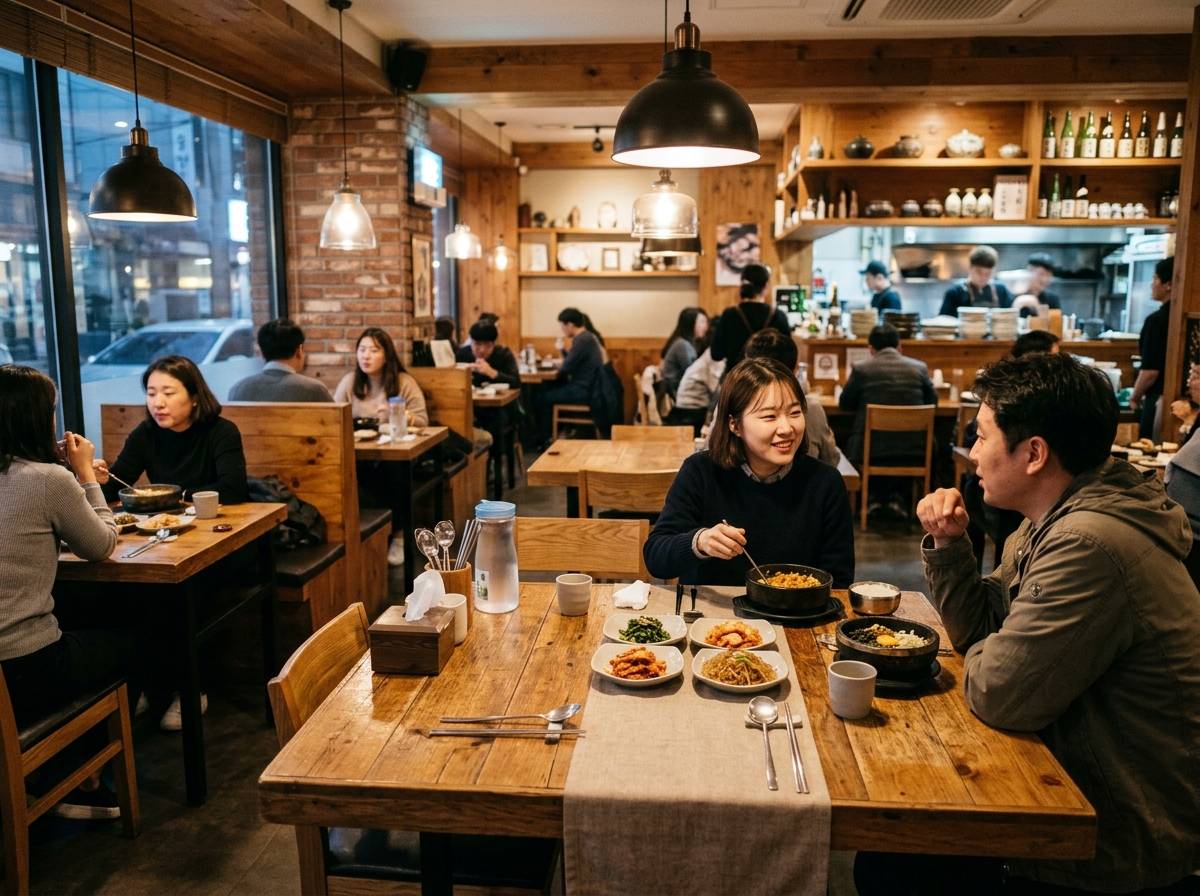
If you’re visiting Korea from the US, UK, or Australia, prepare for a refreshing change: you can put your mental tip calculator away. Korea operates on a no-tipping system, and attempting to leave extra money can actually create awkward situations. Here’s everything you need to know about navigating payments without the pressure of figuring out percentages.
Why Korea Doesn’t Have Tipping Culture
The absence of tipping in Korea isn’t an oversight—it’s built into how businesses price their services and compensate workers. Wages are calculated to cover living costs without relying on customer gratuity, and menu prices already include the full cost of service.
Korean culture also plays a role. Professionalism and excellent service are expected standards, not extras that warrant additional payment. Restaurant servers, taxi drivers, and hotel staff take pride in doing their jobs well without the transactional expectation of tips.
There’s also a practical element: leaving money behind can be interpreted as charity or pity, which can feel insulting rather than generous. In a culture that values dignity and fairness in transactions, the idea that someone would need extra cash on top of their wages doesn’t align with social norms.
What Happens If You Try to Tip
Attempting to tip often leads to confusion or polite refusal. In restaurants, servers will likely chase you down to return “forgotten” money. Taxi drivers may look puzzled and point to the meter, assuming you’ve made a calculation error.
In some tourist-heavy areas near hotels or Itaewon, staff might accept tips from foreign visitors who insist, but it’s the exception, not the rule. Even then, it creates an uncomfortable dynamic where they’re not sure whether to accept or refuse.
💡 Tip: If you want to show appreciation for exceptional service, a simple “감사합니다” (gamsahamnida—thank you) with a smile goes much further than money.
How Tipping Non-Culture Works in Practice
Restaurants and Cafes
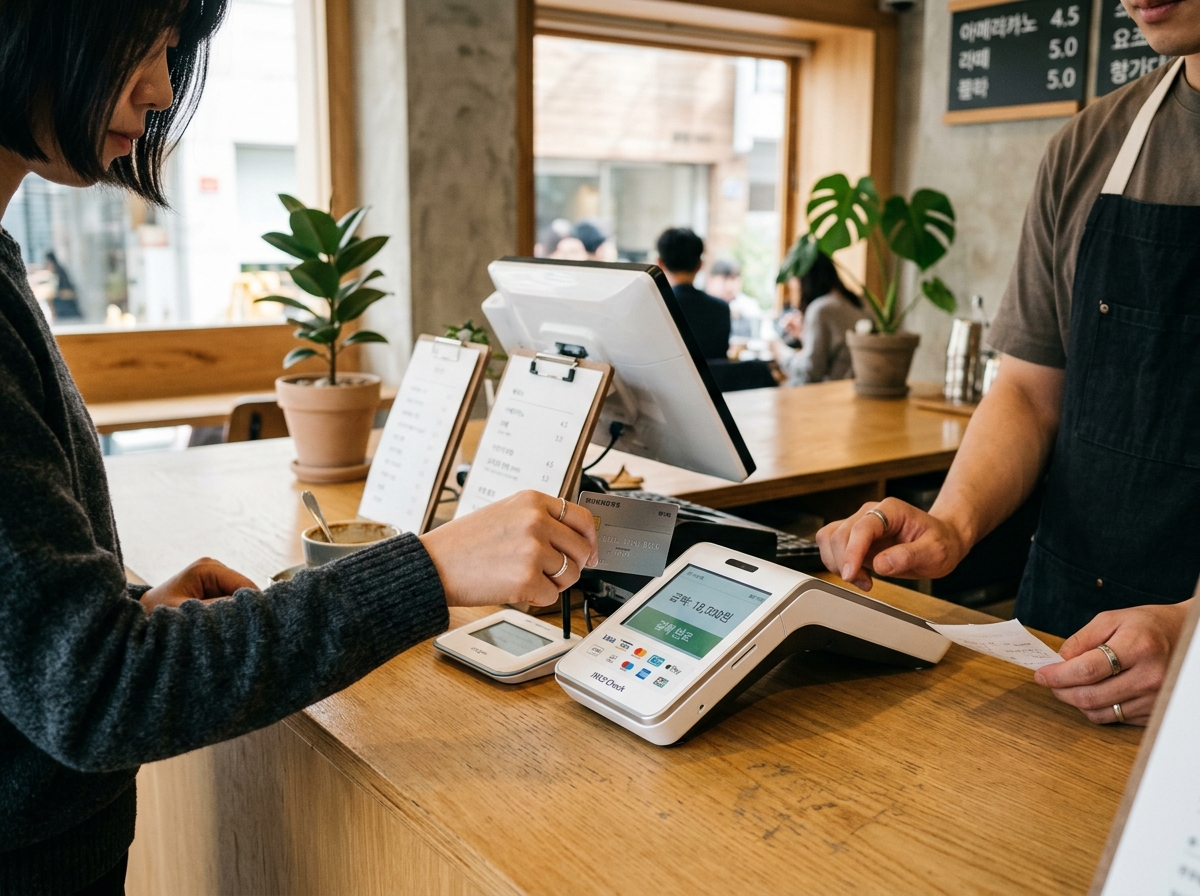
Pay exactly what’s on the bill. Most establishments bring a bill to your table or have you pay at a counter near the exit. Service charges are already included in menu prices—there’s no separate line item, it’s just built in.
Card payments are ubiquitous, and machines won’t even have a tip option. If you pay cash and get change, take all of it. Leaving coins on the table won’t be interpreted as a tip; it’ll be seen as forgetfulness.
Taxis
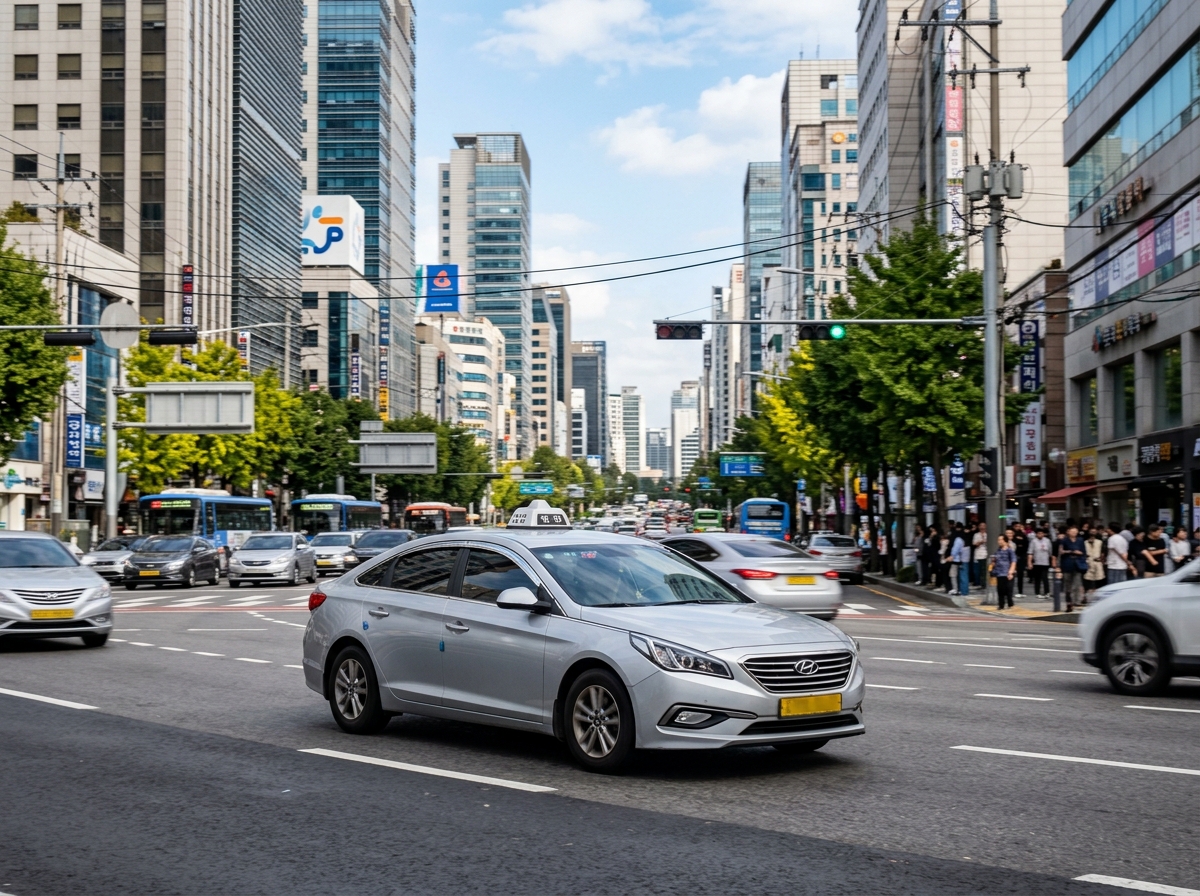
Taxi meters in Korea are strictly regulated. Pay the metered fare, and if the driver gives you change, take it—down to the last 100-won coin. Rounding up might seem polite in other countries, but Korean drivers expect exact payment.
If a driver helps with heavy luggage, a thank-you is appropriate. Additional payment is not.
Hotels
Hotel staff, including bellhops and housekeeping, do not expect tips. Their wages account for these services. Leaving money on the pillow for housekeeping—a common practice in the US—will likely result in the money being returned to the front desk as lost property.
Porter services, room service, and concierge assistance are all included in your room rate or billed separately if applicable.
Delivery Services
Korea’s delivery culture is massive, from fried chicken to convenience store snacks. Delivery fees are included in the order total. Drivers expect no additional payment, even in bad weather or for apartment stairs.
Service Charges vs. Tips: Know the Difference
Some upscale restaurants, hotel restaurants, and bars add a service charge (usually 10%) to the bill. This is not a tip—it’s a mandatory fee that goes to the establishment, not directly to staff as discretionary income.
You’ll see it listed as “봉사료” (service charge) on your receipt. It’s already factored into your total, and you don’t add anything on top of it. Think of it like a cover charge or automatic gratuity for large parties, but standard practice in fancier venues.
| Venue Type | Service Charge | Customer Tip Expected |
|---|---|---|
| Casual restaurant | No | No |
| Upscale restaurant | Sometimes (10%) | No |
| Cafe | No | No |
| Hotel restaurant/bar | Often (10%) | No |
| Street food | No | No |
| Taxi | No | No |
When Payment Customs Differ Slightly
There are a few niche situations where Korean payment culture diverges in other ways:
Private tour guides or drivers hired for multi-day trips sometimes receive tips from international clients, especially if arranged through global platforms. This is a gray area influenced by Western tourist expectations rather than Korean norms. If you’ve built a personal relationship over several days, a small gift or bonus is more culturally appropriate than cash.
Luxury spas or salons catering to international clientele may occasionally see tips, but it’s still not expected. If you loved your jjimjilbang experience, consider leaving a positive review instead.
Food delivery apps have recently added optional tip buttons in their interfaces, likely influenced by global app design trends. These remain almost entirely unused by Korean customers.
What to Do Instead: Showing Appreciation the Korean Way
If someone goes above and beyond, there are culturally appropriate ways to express gratitude:
- Verbal thanks: A genuine “정말 감사합니다” (jeongmal gamsahamnida—thank you so much) is meaningful.
- Small gifts: For guides or people you’ve built rapport with, a small souvenir from your home country is thoughtful.
- Return visits: For restaurants and cafes, becoming a regular customer is the highest compliment.
- Online reviews: Positive reviews on Naver or Google matter to Korean businesses.
The Bottom Line
Korea’s no-tipping culture means simpler, stress-free transactions. The price you see is the price you pay. Service workers earn predictable wages, and customers don’t navigate complex social calculations about percentages and appropriate amounts.
For travelers from tipping-heavy cultures, this takes adjustment. You might feel guilty at first, walking away from a table without leaving extra. But rest assured: you’re not being rude or cheap—you’re respecting local customs.
Enjoy the mental freedom of paying exactly what’s asked, nothing more, nothing less. It’s one of the small joys of traveling in Korea that often goes unnoticed until you return home and have to remember how to calculate 18% again.