Best Neighborhoods to Stay in Seoul for First-Time Visitors
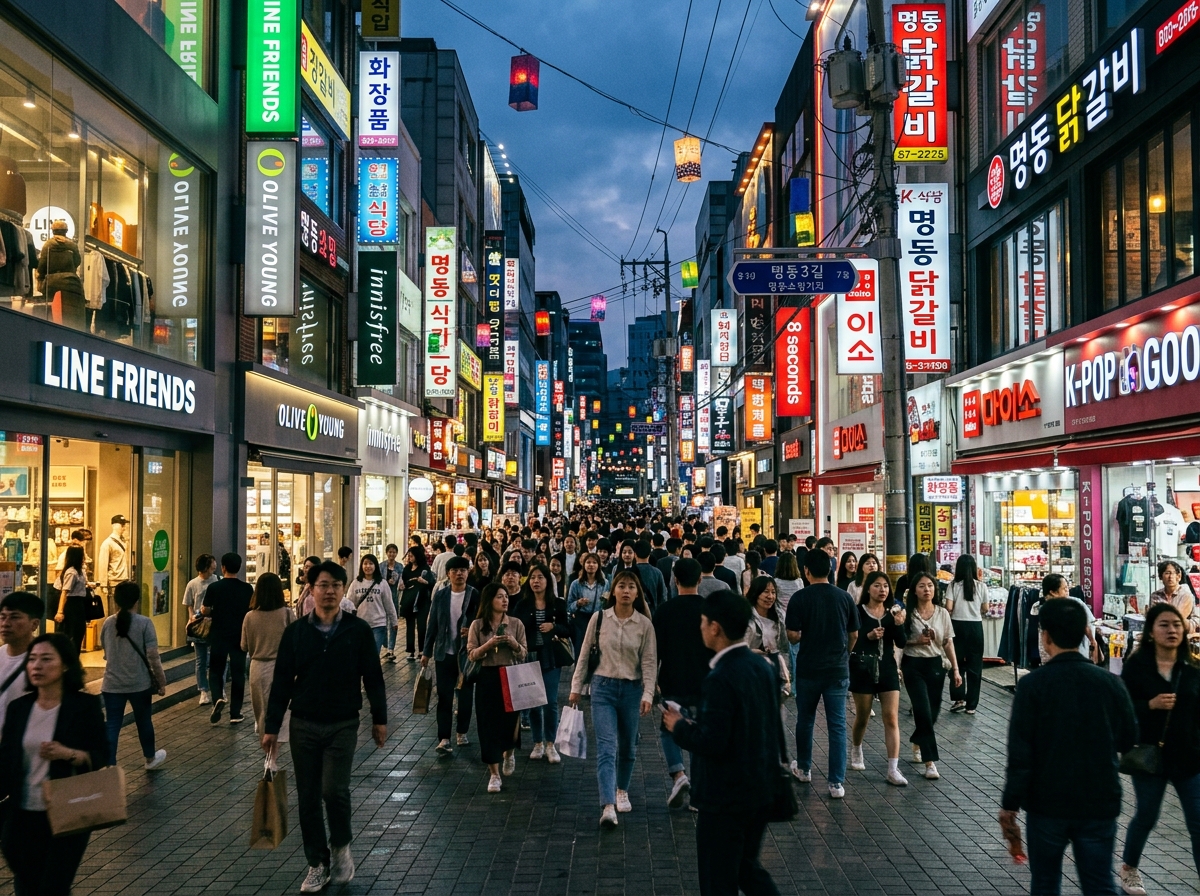
Seoul sprawls across both banks of the Han River, and picking the right neighborhood for your first visit can make or break your trip. Stay near a subway station in the right district and you’ll have instant access to palaces, street food, shopping, and nightlife. Choose poorly and you’ll spend hours commuting. This guide breaks down the four best areas for first-timers, with honest comparisons of what each offers and who they suit best.
Myeongdong: The Tourist Hub with Maximum Convenience
Myeongdong sits in central Seoul, minutes from City Hall and the historic core. It’s Korea’s shopping and beauty product mecca, packed with international chain hotels, Korean cosmetics flagship stores, and street food vendors.
Why First-Timers Pick Myeongdong
The location is nearly unbeatable. You’re walking distance from Gyeongbokgung Palace, Bukchon Hanok Village, and Namdaemun Market. The neighborhood has its own subway station (Line 4) with easy transfers to Incheon Airport via the AREX line at Seoul Station—just two stops away.
Hotels here cater to international visitors. English signage is everywhere, staff speak functional English, and you’ll find currency exchange booths on every block. The downside? It feels touristy because it is. You won’t get much authentic neighborhood flavor, and prices for food and lodging run 15-20% higher than equivalent options in less central areas.
Who Should Stay Here
Best for nervous first-timers who prioritize convenience over local atmosphere, travelers with limited time (2-3 days), and anyone who wants to maximize sightseeing on foot without complicated subway navigation.
Hongdae: Youth Culture, Nightlife, and Creative Energy
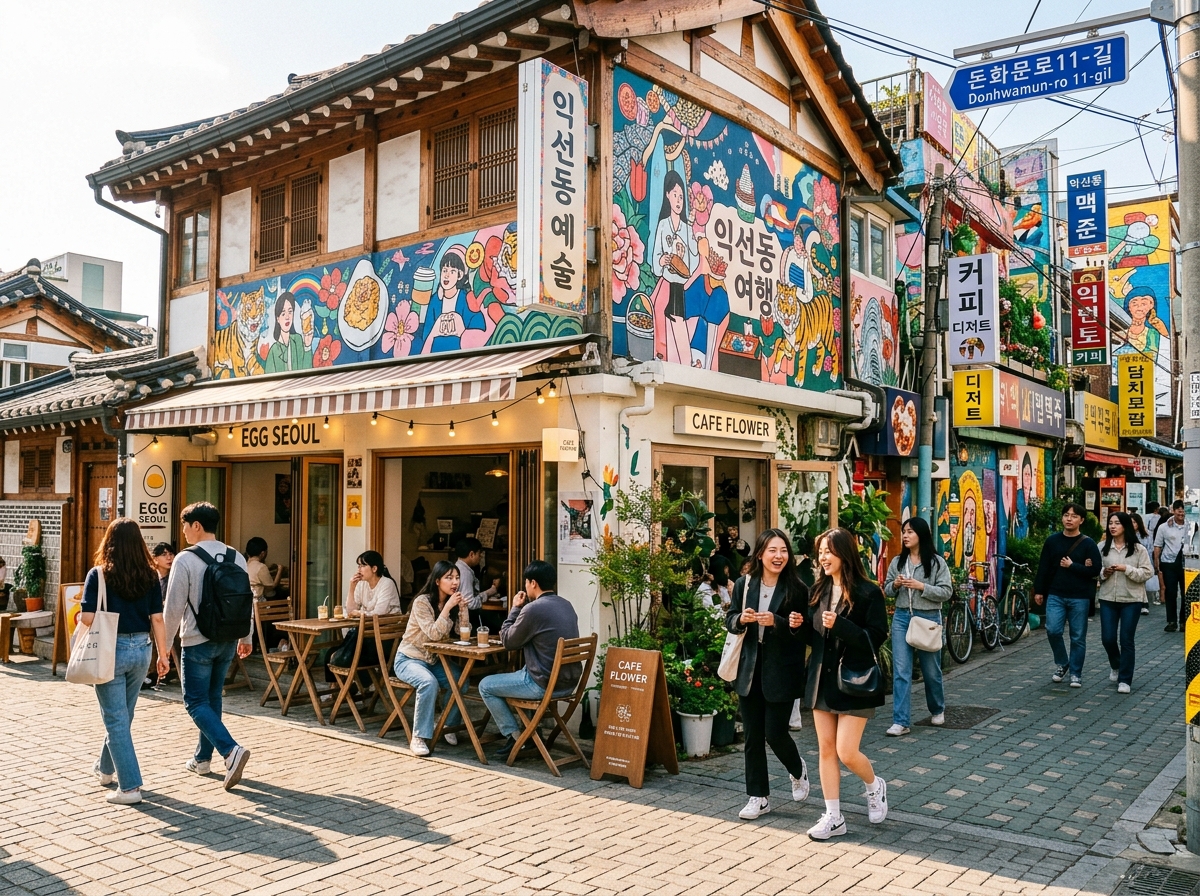
Hongdae (short for Hongik University area) is Seoul’s creative and nightlife district. Think indie music venues, street performers, vintage shops, and clubs that stay open until dawn.
The neighborhood sits northwest of central Seoul on Line 2 (the green circle line that connects most major districts). You’re 10-15 minutes by subway from central palaces, and about 45 minutes to Gangnam.
What Makes Hongdae Different
This is where young Seoulites actually hang out. The vibe is casual, artsy, and chaotic in the best way. Guesthouses and budget hotels outnumber luxury chains. Street food is cheaper and more adventurous than Myeongdong—think Korean-style corndogs, tteokbokki stalls, and hole-in-the-wall fried chicken joints open past midnight.
If you’re traveling solo or want to meet other travelers, Hongdae’s hostel scene is the most social in Seoul. Many run bar crawls and group outings.
The Trade-offs
Hongdae gets loud. If you need quiet evenings, book a hotel one station away in Hapjeong or Sangsu. The area also skews very young (university-age crowds), which may not appeal to travelers over 40 or families with kids.
Gangnam: Upscale Comfort South of the River
Yes, that Gangnam—the district from the song. This is Seoul’s wealthy, modern business and entertainment hub south of the Han River, centered on Gangnam Station (Line 2).
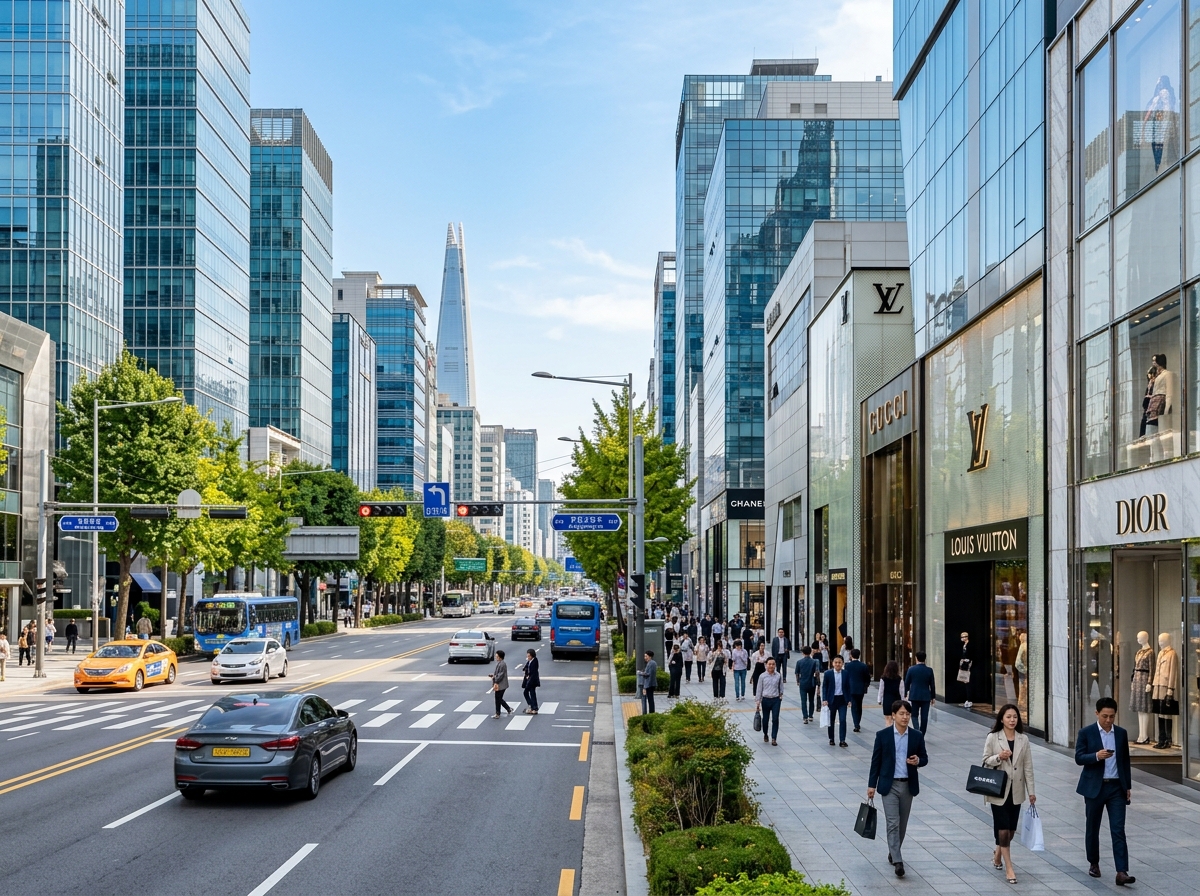
Expect wide boulevards, luxury malls like COEX, high-end hotels, and polished restaurants. The streets feel cleaner and less crowded than northern neighborhoods, though arguably more sterile.
Why Stay South of the River
Gangnam offers excellent subway connectivity—Lines 2, 3, 7, 9, and the Shinbundang Line all intersect here. You can reach most Seoul attractions in 20-30 minutes. Hotels range from international chains (Intercontinental, Park Hyatt) to excellent Korean business hotels at mid-range prices.
The neighborhood feels safe, orderly, and less overwhelming than chaotic northern districts. Great for business travelers, families, or anyone who prefers a calmer base after busy sightseeing days.
What You’ll Miss
Gangnam lacks the historic charm and street-level energy of northern Seoul. Most major palaces, hanok villages, and traditional markets are 30+ minutes away. You’ll also pay premium prices—meals, coffee, and hotels all cost more here.
Insadong & Jongno: Traditional Atmosphere Near Historic Sites
Insadong and the wider Jongno district offer a middle path: central location, proximity to palaces and traditional culture, but quieter than Myeongdong.
Insadong’s main street is lined with tea houses, antique shops, and galleries. You’re a 10-minute walk from Gyeongbokgung Palace, Bukchon Hanok Village, and Changdeokgung. Jongno 3-ga Station connects Lines 1, 3, and 5.
The Appeal for Culture-Focused Travelers
If your priority is temples, palaces, museums, and traditional Korean experiences, nowhere beats Insadong. You can walk to most historic sites, and the neighborhood itself rewards wandering—hidden temple courtyards, traditional craft workshops, and hanok-style guesthouses tucked down side alleys.
Hotel options skew toward boutique properties and hanok stays rather than international chains. Expect smaller rooms but more character.
Keep in Mind
Insadong shuts down relatively early. Nightlife is minimal—a few makgeolli bars and quiet cafes, but nothing like Hongdae or Itaewon. Restaurant variety is limited compared to other districts (heavy on traditional Korean, light on international options).
Quick Comparison: Which Neighborhood Fits You?
| Neighborhood | Best For | Subway Access | Vibe | Price Level |
|---|---|---|---|---|
| Myeongdong | First-timers, short trips | Excellent (Line 4) | Touristy, convenient | High |
| Hongdae | Solo travelers, nightlife lovers | Great (Line 2) | Young, creative, loud | Budget-Mid |
| Gangnam | Business, families, comfort | Best (5 lines) | Modern, upscale, calm | High |
| Insadong/Jongno | Culture focus, temple lovers | Good (Lines 1/3/5) | Traditional, quiet | Mid |
Practical Booking Tips
Book hotels near a subway station entrance, ideally within a 5-minute walk. Seoul’s stations can have 10+ exits spread across several blocks—being “near the station” but a 15-minute walk from the actual entrance kills the convenience.
Check whether your hotel is on a hill. Central and northern Seoul have steep topography. Hauling luggage uphill after a long flight is miserable.
💡 Tip: If you’re staying 5+ days, consider splitting between two neighborhoods—start in central Myeongdong or Insadong for sightseeing, then move to Hongdae or Gangnam for a different vibe.
Where to Start If You’re Still Undecided
For a first visit of 4-7 days with mixed interests (sightseeing, food, some nightlife), Myeongdong or Hongdae are the safest bets. Myeongdong if you want maximum ease and don’t mind tourist crowds. Hongdae if you’re comfortable navigating a subway map and want better value plus nightlife access.
If you’re traveling with family or on business, lean toward Gangnam for space, comfort, and subway connections without the chaos.
If temples and traditional culture are your main draw and you prefer quiet evenings, choose Insadong.
Whichever you pick, Seoul’s subway system makes it easy to explore the entire city. Your neighborhood choice affects your daily rhythm and walking access more than what you’ll ultimately see—so pick the vibe that matches how you like to travel, and you’ll be fine.