Best Day Trips from Seoul by Train: Where to Go & What to See
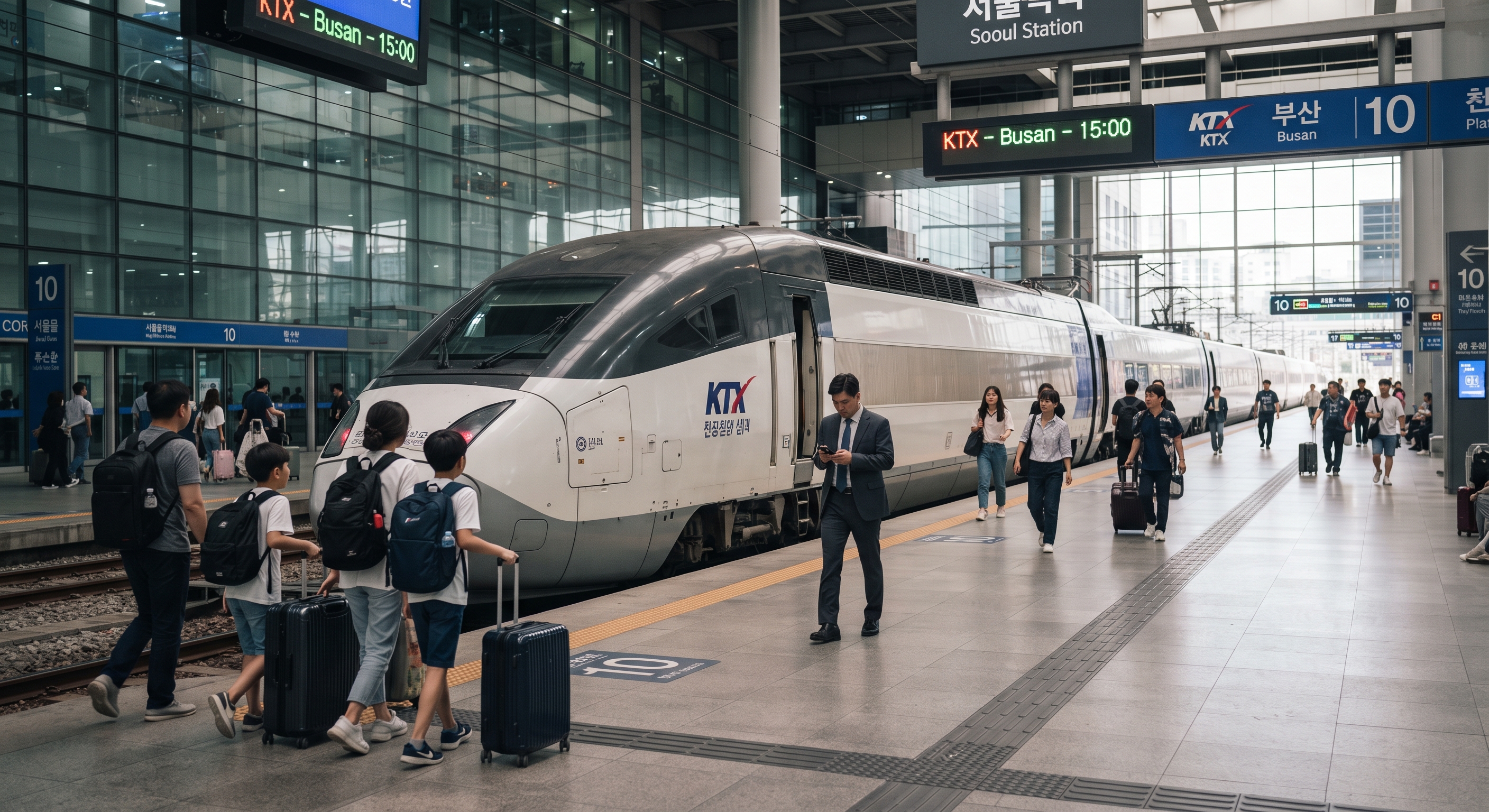
South Korea’s train network is one of the best reasons to base yourself in Seoul—fast, punctual, and affordable trains can whisk you to coastal cities, mountain temples, and historic towns in under three hours. Whether you’re craving ocean views, UNESCO heritage sites, or a break from the capital’s intensity, these destinations make excellent escapes without the hassle of an overnight bag.
Why Take Day Trips from Seoul by Train
Korea’s KTX high-speed trains reach speeds up to 305 km/h, meaning cities that look far on a map are surprisingly close in practice. Tickets are cheaper than renting a car, stations sit in convenient city centers, and you’ll avoid Seoul’s notorious traffic entirely.
Most destinations below are reachable in 1-3 hours each way, leaving you 4-6 hours to explore before catching an evening train back. Book tickets via the Korail website or app (English available), or buy at the station—weekend and holiday trains fill up fast, so reserve a few days ahead if possible.
💡 Tip: If you’re planning multiple train trips, consider a KR Pass (starting around ₩125,000 for two days within ten days), which can save money compared to individual KTX tickets.
Suwon: Fortress Walls and Korean BBQ
Distance from Seoul: 30-50 minutes
Best for: History buffs, architecture fans, foodies
Suwon is the closest worthwhile escape, and its Hwaseong Fortress—a UNESCO World Heritage Site—is one of Korea’s most impressive historical structures. Built in the late 1700s, the 5.7 km fortress wall encircles the old city center with gates, watchtowers, and archery platforms you can walk along for sweeping views.
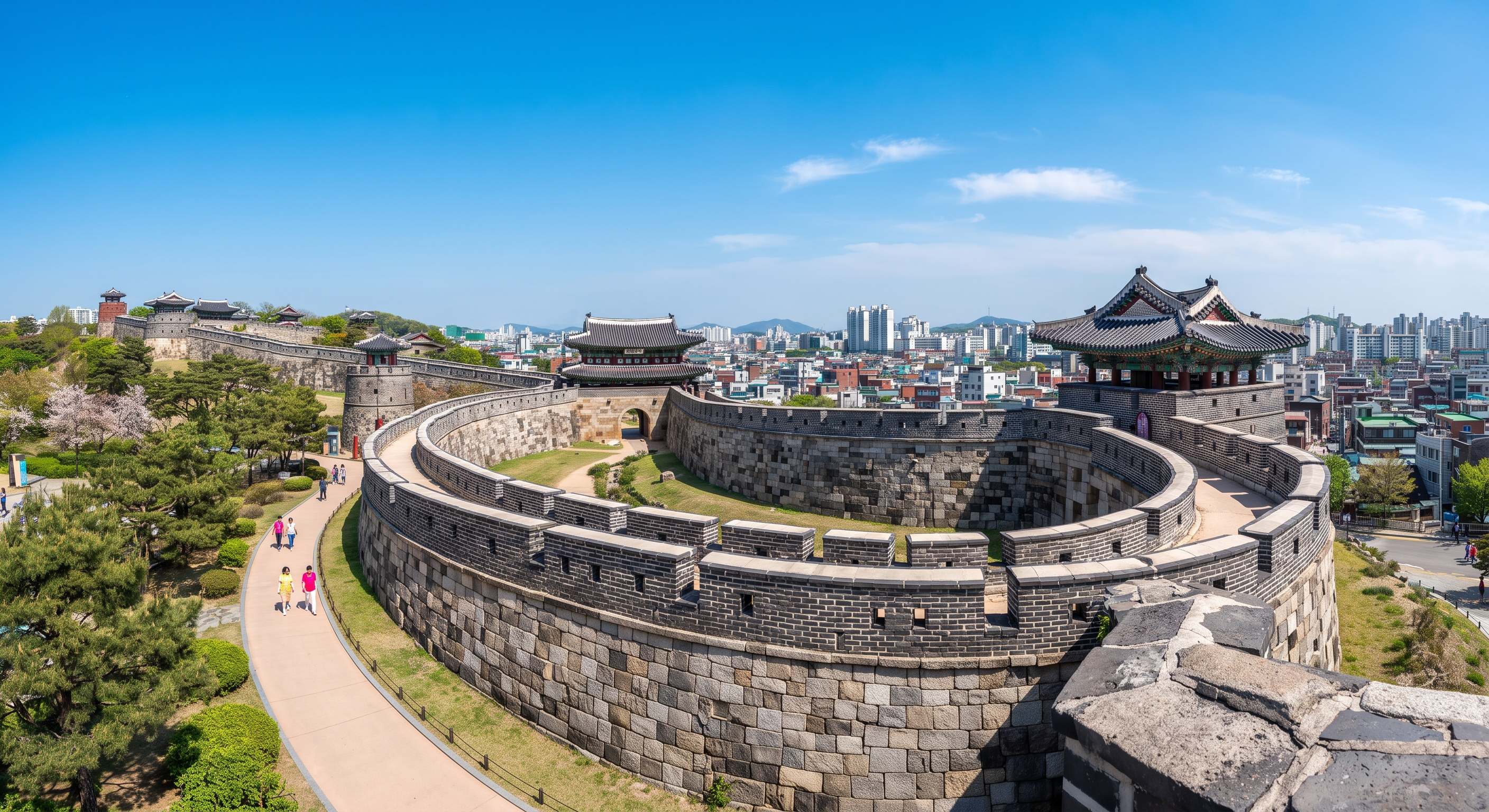
Start at Paldalmun Gate (the south gate, near Suwon Station) and walk a section of the wall north toward Hwaseomun. The full loop takes about two hours if you’re thorough, but even an hour gives you a solid feel for the architecture.
Afterward, Suwon is famous for galbi (marinated beef ribs)—the local style uses bone-in cuts grilled tableside. Head to the streets around Jidong Market for the most authentic spots, where a meal runs ₩15,000-25,000 per person.
Busan: Beaches, Markets, and Seaside Temples
Distance from Seoul: 2.5-3 hours
Best for: Ocean lovers, urban explorers, photography
Busan is Korea’s second-largest city and feels like Seoul’s laid-back coastal cousin. A day trip is tight but doable if you start early—catch a 6-7 AM KTX (around ₩59,000 one-way) and you’ll arrive by 9 AM.
Prioritize two or three spots rather than trying to see everything:
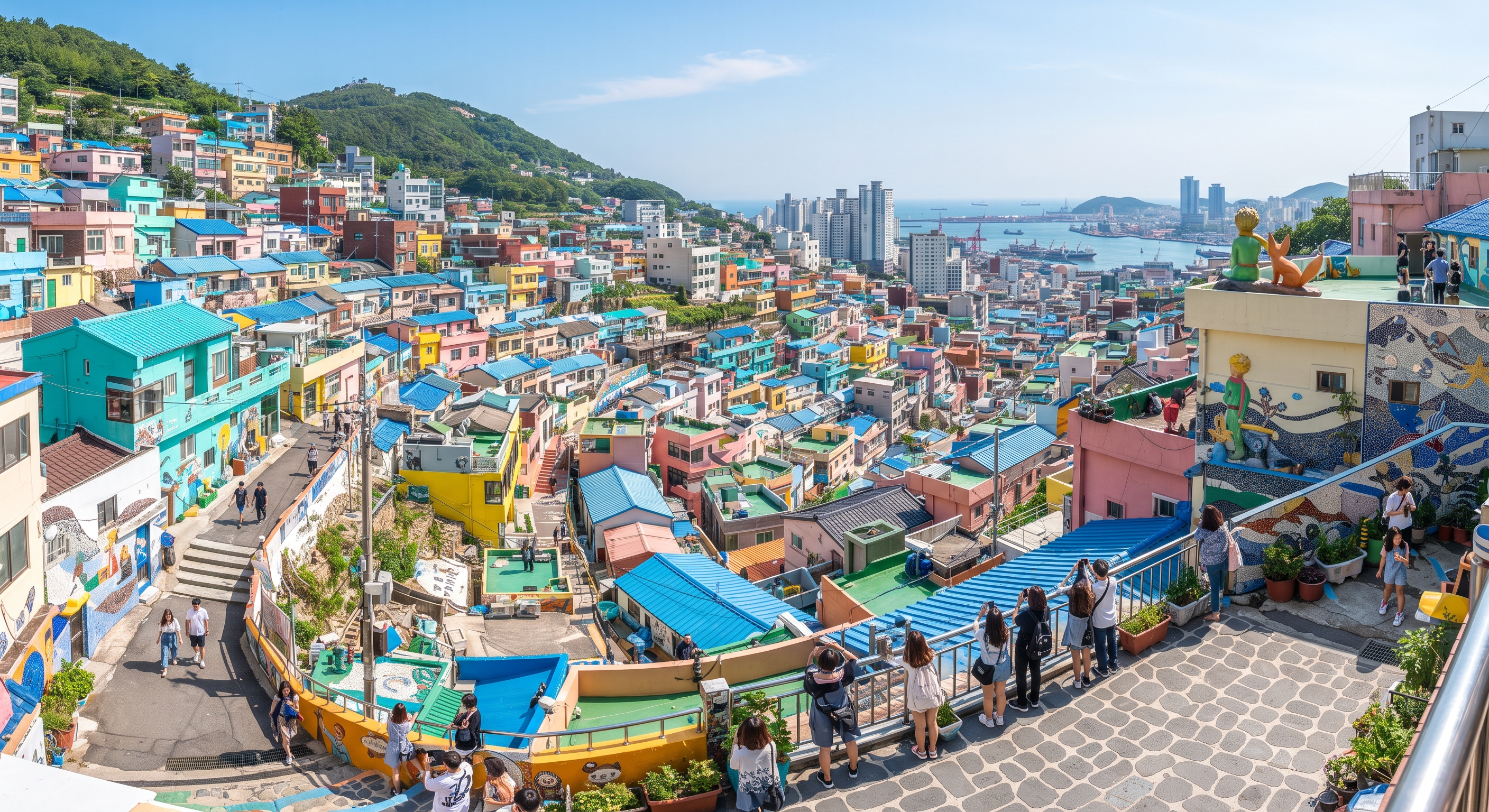
- Gamcheon Culture Village: A hillside maze of pastel houses, street art, and small cafés. It’s touristy but genuinely photogenic. Budget 1-1.5 hours.
- Haeundae Beach: Korea’s most famous beach. Great for a stroll and ocean views, though swimming is seasonal (July-August).
- Jagalchi Fish Market: The country’s largest seafood market. Grab lunch on the second floor where vendors cook your purchase fresh (₩10,000-20,000 for a plate).
- Haedong Yonggungsa Temple: A rare seaside temple with waves crashing below the prayer halls—stunning, but it’s 30-40 minutes from downtown by subway.
Plan to catch a return KTX by 6-7 PM to be back in Seoul by 9-10 PM. Busan deserves more time, but even a long day trip beats skipping it entirely.
Gyeongju: Korea’s Museum Without Walls
Distance from Seoul: 2-2.5 hours (KTX to Singyeongju, then bus)
Best for: History lovers, temple enthusiasts, slower-paced exploring
Gyeongju was the capital of the ancient Silla Kingdom for nearly a thousand years, and the entire city is a UNESCO World Heritage Site. Grassy burial mounds dot the downtown, stone observatories stand in parks, and nearby mountains hide some of Korea’s oldest Buddhist temples.
Key sights for a day trip:
- Bulguksa Temple: Korea’s most celebrated temple, with elegant stone staircases and pagodas dating to the 8th century. Take a local bus from Gyeongju Intercity Bus Terminal (20 minutes).
- Seokguram Grotto: A short bus ride uphill from Bulguksa, this hilltop shrine houses a serene stone Buddha overlooking the mountains.
- Daereungwon Tomb Complex: Walk among ancient royal burial mounds in the city center—surreal, park-like, and free to wander outside.
- Anapji Pond: A reconstructed palace pond that’s especially beautiful at sunset when the pavilions light up.
Gyeongju is more relaxed than Seoul or Busan, so embrace a slower pace. Grab hwangnam-ppang (red bean pastries) from a street vendor and take your time.
Jeonju: Hanok Village and Bibimbap Capital
Distance from Seoul: 2 hours (KTX to Jeonju Station)
Best for: Foodies, traditional architecture, craft lovers
Jeonju’s Hanok Village is Korea’s most famous collection of traditional wooden houses, now converted into guesthouses, tea rooms, museums, and craft workshops. Unlike palace hanok you’d see in Seoul, these are lived-in neighborhoods where you can stroll narrow alleys, try on hanbok rentals, and eat your weight in street snacks.
This is also the birthplace of bibimbap, and nearly every restaurant here claims the “original” recipe. Expect versions topped with yukhoe (raw beef), nurungji (crispy rice), and more banchan (side dishes) than you can count. Meals typically cost ₩10,000-15,000.
Spend 3-4 hours wandering the village, then explore:
- Jeonju Traditional Wine Museum: Small but interesting, with tastings available.
- Gyeonggijeon Shrine: Houses a portrait of King Taejo, founder of the Joseon Dynasty.
- Nambu Market: A bustling covered market great for snacks like choco pies, bindaetteok (mung bean pancakes), and kongnamul gukbap (bean sprout soup).
Chuncheon: Lakeside Scenery and Dakgalbi
Distance from Seoul: 1-1.5 hours (ITX train from Yongsan)
Best for: Nature lovers, K-drama fans, spicy food fans
Chuncheon is a smaller city surrounded by lakes and mountains, popular with Seoulites looking for a quick nature escape. It’s also famous as the birthplace of dakgalbi—spicy stir-fried chicken with cabbage, sweet potato, and tteok (rice cakes), cooked on a big hotplate at your table.
Head to Dakgalbi Street near Myeongdong (Chuncheon’s downtown, not Seoul’s) for a dozen nearly-identical restaurants all serving the same dish for around ₩10,000-12,000 per person.
After lunch, rent a bike and ride the Uiamho Lake Skywalk or take a ferry to Nami Island—yes, the Winter Sonata filming location. Nami is idyllic but touristy; if you prefer quieter trails, stick to the lakeside paths around downtown instead.
The ITX-Cheongchun train from Seoul’s Yongsan Station costs around ₩7,000-8,000 and runs frequently. It’s one of the easiest and cheapest day trips on this list.
Practical Tips for Train Day Trips
- Book early for weekends and holidays: KTX seats sell out, especially Friday evenings and Sunday afternoons.
- Download the Korail app: English interface, mobile tickets, real-time schedules.
- Bring snacks: Train station convenience stores (CU, GS25) stock kimbap, sandwiches, and drinks for cheap picnic meals.
- Check last train times: Some routes stop running earlier than you’d expect, especially to smaller cities—double-check your return before you go.
Final Thoughts
Seoul is incredible, but Korea’s train network means you’re never stuck in one place. Whether you want ancient temples, ocean breezes, or just Korea’s best bibimbap, a day trip by train gives you a fuller picture of the country without the logistics of multi-day travel. Pick a destination, set an alarm, and go—you’ll be surprised how much ground you can cover before dinner.